HealthcareBy City Prime Care Team
Why Does the Outside of Your Elbow Hurt When You Grip or Lift, and Is It Tennis Elbow? Reading the Pain Pattern, the Five Rehab Steps and the Sample Return-to-Activity Plan
Pain on the outer elbow when you grip, lift or turn a doorknob is often tennis elbow, an overuse tendon problem that usually improves with the right care. Learn the pain pattern, causes, red flags, treatments, five rehab steps and a sample return-to-activity plan with a simple graph.
Medically reviewed by Dr. Helen Vasquez10 min read
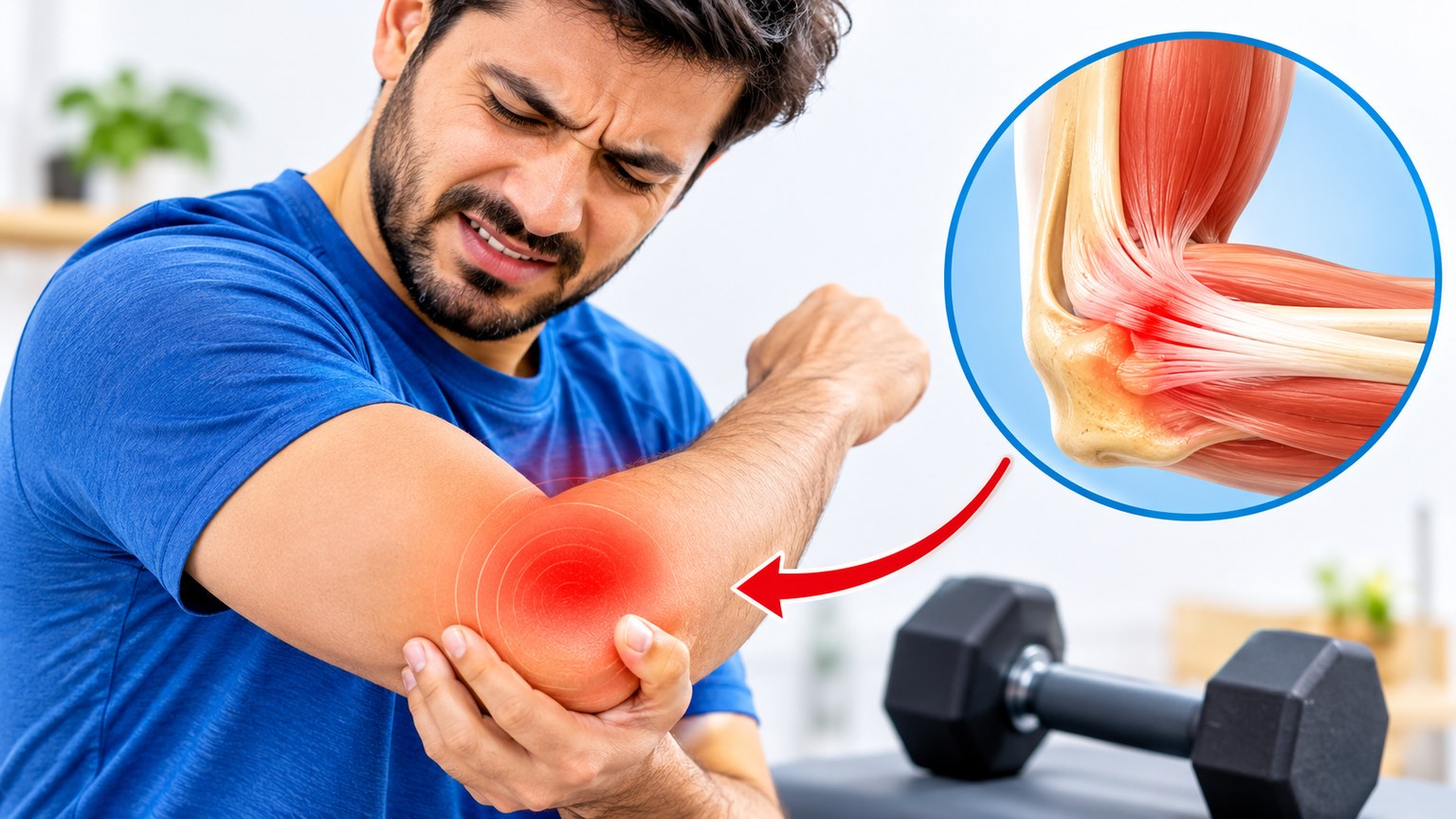
Table of contents
- 1. What Tennis Elbow Is and How It Feels
- 2. Tennis Elbow or Something Else?
- 3. Common Causes and Triggers
- 4. Who Is at Higher Risk?
- 5. Five Red Flags That Need a Clinician
- 6. How Tennis Elbow Is Evaluated
- 7. Treatment Options
- 8. Sample Return-to-Activity Plan
- 9. Protecting Your Elbow at Work and Play
- 10. Five Rehab Steps
- 11. Primary, Urgent and Preventive Care in Elmhurst and Lower Manhattan
- 12. Contact Us and Find Us Online
- Conclusion
- Frequently Asked Questions
- See a Doctor in Elmhurst or Chinatown
If the outer side of your elbow aches when you shake hands, lift a coffee cup, turn a doorknob or type for hours, you may have lateral epicondylitis, better known as tennis elbow. It is an overuse problem of the tendons that attach the wrist extensor muscles to the bony bump on the outside of the elbow. Despite the name, most people who get it never play tennis. Painters, plumbers, cooks, desk workers and anyone who grips or twists repeatedly can be affected, most often between ages 35 and 55.
The good news is that tennis elbow usually improves with relative rest, targeted strengthening and sensible changes to how you use your arm, although recovery can take weeks to several months. Not every elbow pain is tennis elbow, though. Golfer's elbow, nerve compression, arthritis and neck problems can feel similar. This guide explains the pain pattern, how tennis elbow differs from look-alikes, causes, who is at higher risk, five red flags that need a clinician, treatment options, a sample return-to-activity plan with a simple graph, five rehab steps and FAQs. It is general education only. A deformed elbow after a fall, a hot swollen joint with fever, or a cold, numb or blue hand needs emergency care. Call 911 for severe symptoms.
| At a Glance | Key Point |
|---|---|
| Medical name | Lateral epicondylitis (overuse tendon problem on the outer elbow) |
| Typical pain pattern | Outer elbow pain that worsens with gripping, lifting, twisting and shaking hands |
| Usual recovery | Often 6 weeks to several months with activity changes and rehab |
| First-line care | Activity modification, ice or heat, a forearm strap and progressive strengthening |
| See a clinician | Pain over 2 to 4 weeks, weak grip, numbness or tingling, or pain that wakes you at night |
1. What Tennis Elbow Is and How It Feels
Repeated wrist and finger extension creates tiny strains in the tendon at the outer elbow, most often the one belonging to the extensor carpi radialis brevis muscle. Over time the tendon becomes irritated and less able to handle load. Pain is usually on the outside of the elbow and may travel down the forearm. For trusted background, see MedlinePlus on tennis elbow, the American Academy of Orthopaedic Surgeons on tennis elbow and the NIAMS overview of tendinitis and tendon problems.
| Everyday Task | What You May Notice |
|---|---|
| Shaking hands or gripping a bag | Sharp or burning outer elbow pain |
| Lifting a full kettle or milk jug | Pain and a feeling of weakness in the grip |
| Turning a doorknob or screwdriver | Pain with twisting the forearm |
| Typing or using a mouse for long periods | Dull ache that builds through the day |
| Resting the arm | Pain eases but returns with the next heavy grip |
2. Tennis Elbow or Something Else?
| Condition | Where It Hurts | Clues |
|---|---|---|
| Tennis elbow | Outer elbow bump | Pain with gripping and wrist extension; tender spot just below the bump |
| Golfer's elbow (medial epicondylitis) | Inner elbow | Pain with wrist flexion and gripping; tender on the inside |
| Radial tunnel syndrome | Outer forearm, a little lower | Aching pain, often worse at rest or at night, with less tenderness at the bump |
| Elbow arthritis | Whole joint | Stiffness, catching, reduced bending and straightening |
| Pinched nerve in the neck | Neck, shoulder and arm | Tingling, numbness or burning that travels down the arm |
| Fracture or ligament injury | Anywhere around the elbow | Follows a fall or impact; swelling, bruising or inability to move the arm |
Joint pain elsewhere in the body may point to a different cause; see normal wear and tear or arthritis and sprain vs fracture and when you need an X-ray.
3. Common Causes and Triggers
Tennis elbow is usually linked to repeated or forceful use, including:
- Racquet sports with a poor backhand technique or a racquet that is too heavy or tightly strung.
- Repeated gripping and twisting at work, such as painting, plumbing, carpentry, cooking or using hand tools.
- Long hours of keyboard and mouse use with the wrist bent or the forearm unsupported.
- A sudden jump in activity, such as a weekend of gardening, moving house or a new gym routine.
- Weak shoulder, forearm or grip muscles that make the elbow tendon do extra work.
- Smoking, which slows tendon healing, and some medicines such as certain antibiotics that affect tendons.
4. Who Is at Higher Risk?
| Risk Factor | Why It Matters |
|---|---|
| Age 35 to 55 | Tendons lose some resilience with age while workloads often stay high |
| Repetitive manual work | Daily gripping and twisting loads the same tendon thousands of times |
| Racquet sport players | Technique and equipment errors increase strain on the outer elbow |
| Desk and computer workers | Poor wrist posture and unsupported forearms add steady stress |
| People who smoke | Reduced blood flow slows tendon repair |
| Those with diabetes or thyroid disease | Tendon problems are more common and may heal slowly; see how an underactive or overactive thyroid affects your body |
5. Five Red Flags That Need a Clinician
Get medical care promptly, or call 911 for severe symptoms, if you notice:
- A fall or impact followed by swelling, bruising, deformity or inability to bend or straighten the elbow.
- A hot, red, swollen elbow, especially with fever or chills, which can signal infection.
- Numbness, tingling, a weak or clumsy hand, or a hand that looks pale, blue or cold.
- Severe pain at night or at rest, or pain that is steadily getting worse despite rest.
- Pain that has not improved after 2 to 4 weeks of home care, or a sudden pop followed by loss of strength.
If you are unsure where to go, read when a problem calls for the emergency room instead of urgent care in Queens. Pain in the upper arm and shoulder is covered in why your shoulder aches when you lift your arm.
6. How Tennis Elbow Is Evaluated
A clinician will ask when the pain began, which activities trigger it, your job and sport, and whether you have tingling or neck pain. On examination, they check for tenderness over the outer elbow, pain when you extend the wrist against resistance, grip strength and range of motion, and they may test the neck and nerves. Tennis elbow is usually diagnosed from the history and exam. An X-ray can rule out arthritis or a fracture, and ultrasound or MRI is reserved for unclear cases or pain that does not improve. See when your primary care doctor sends you to a specialist for referral timing.
7. Treatment Options
| Option | How It Helps | Notes |
|---|---|---|
| Relative rest and activity changes | Lets the tendon settle | Reduce heavy gripping and twisting rather than stopping all movement |
| Ice or heat | Eases pain and stiffness | About 10 to 15 minutes at a time, with a cloth barrier |
| Over-the-counter pain relievers | Short-term pain control | Use as directed; check with a clinician if you have kidney, stomach, heart or blood-thinner concerns |
| Forearm counterforce strap | Reduces tendon load during activity | Worn just below the elbow, snug but not tight |
| Physical therapy and strengthening | Rebuilds tendon capacity | Gradual wrist and grip exercises are the backbone of recovery |
| Corticosteroid injection | Short-term pain relief in selected cases | May not give better long-term results than rehab alone |
| Other procedures or surgery | For stubborn cases | Considered only after several months of well-done conservative care |
8. Sample Return-to-Activity Plan
This teaching example shows how a gradual plan for tennis elbow might look. Timing varies, and pain that is getting worse should be checked. The squares show the relative load placed on the elbow, where more squares mean more activity.
| When | What You Do | Activity Load |
|---|---|---|
| Week 1 | Relative rest, ice or heat, strap during tasks, gentle wrist movement | ■■ |
| Weeks 2 to 3 | Add pain-free wrist stretches and light isometric holds | ■■■ |
| Weeks 4 to 6 | Progressive wrist extension strengthening with light weights | ■■■■■ |
| Weeks 7 to 9 | Heavier strengthening, grip work and return to normal tasks | ■■■■■■■ |
| Weeks 10 to 12 | Gradual return to sport or heavy work with technique check | ■■■■■■■■■ |
| After 4 to 6 weeks without progress | Return for review of the diagnosis and next steps | Call a clinician |
9. Protecting Your Elbow at Work and Play
| Do | Avoid |
|---|---|
| Lift with the palm facing up and the elbow close to the body | Lifting heavy items with the palm down and the arm extended |
| Use a larger-handled tool or a lighter racquet with proper grip size | Gripping small, tight handles for long stretches |
| Keep the wrist neutral and the forearm supported at the keyboard | Typing with the wrist bent upward or floating unsupported |
| Take short breaks every 30 to 45 minutes of repetitive work | Pushing through sharp pain to finish a task |
| Warm up and build up gradually after time off | Sudden jumps in gardening, sports or lifting |
10. Five Rehab Steps
These steps support healing and lower the chance of a repeat flare:
- Cut back on the movements that trigger pain, and swap heavy gripping for two-handed lifting where possible.
- Use ice or warmth for comfort, and a forearm strap during tasks that cannot be avoided.
- Start gentle, pain-free wrist stretches, then add slow, controlled strengthening as advised by a clinician or physical therapist.
- Fix the cause: adjust your workstation, tool grip size, racquet or lifting technique.
- Increase activity gradually and return for a check if pain is not improving after 4 to 6 weeks.
11. Primary, Urgent and Preventive Care in Elmhurst and Lower Manhattan
When elbow pain makes everyday tasks hard, many Queens residents search for urgent care Elmhurst NY, a walk in clinic Elmhurst NY or a same day doctor appointment Elmhurst. City Prime Care helps patients who need urgent care 11373, a primary care doctor Elmhurst NY, a family doctor Elmhurst Queens or a primary care doctor near me to examine the elbow, rule out injury and plan rehab. A physical exam clinic Elmhurst NY visit, preventive care Elmhurst NY and chronic disease management Elmhurst NY also help review diabetes, thyroid and other conditions that can slow tendon healing.
Downtown, people looking for primary care Lower Manhattan, a primary care doctor NYC or primary care Chinatown NYC can see our team near 75 Catherine St. Whether you search for a doctor near Catherine Street NYC, primary care 75 Catherine St, a walk-in clinic Chinatown NYC or a family doctor Manhattan NYC, we can examine you and arrange imaging or referrals. Add an annual physical exam NYC, same day primary care NYC or preventive care Lower Manhattan to review your overall health. See which conditions urgent care in Elmhurst can treat and what happens at your first urgent care visit in Elmhurst.
12. Contact Us and Find Us Online
If elbow pain is not settling, our team can look for the cause and guide next steps. For non-emergency questions, Contact Us, book a visit, or find City Prime Care on Google: City Prime Care on Google. For a deformed elbow after a fall, a hot swollen joint with fever, or a cold, numb or blue hand, call 911 or go to the emergency room.
Conclusion
Tennis elbow is common, painful and usually manageable. Most people improve by adjusting how they use the arm, building strength gradually and fixing the workstation or technique that caused the strain. Pain that is severe, follows an injury, comes with numbness or does not improve deserves a medical check. This article is for general education and does not replace medical advice.
Frequently Asked Questions
See a Doctor in Elmhurst or Chinatown
Have a question about your own health? Book a visit at our Elmhurst, Queens clinic or our Chinatown, Manhattan clinic, or explore our primary care services.
Related articles
Healthcare
Why Does the Outer Side of Your Hip Hurt When You Lie on It or Climb Stairs, and Could It Be Bursitis? Reading the Pain Map, the Five Rehab Steps and the Sample Six-Week Strengthening Plan
Pain on the outer hip that worsens when lying on your side or climbing stairs is often trochanteric bursitis. Learn the pain map, five rehab steps and a six-week plan.
Healthcare
Why Are Your Ankles and Feet Swollen by Evening, and When Is Leg Swelling Serious? Reading the Swelling Patterns, the Five Relief Steps and the Sample Two-Week Swelling Diary
Swollen ankles after a long day can be harmless, but swelling in one leg, sudden weight gain or breathlessness can signal a clot, heart, kidney or liver problem. Learn the patterns, five relief steps and a two-week diary.
Healthcare
Why Is a Red, Itchy Ring-Shaped Patch Spreading on Your Skin, and Is It Ringworm? Reading the Patch Types, the Five Treatment Steps and the Sample Four-Week Clearing Plan
A red, scaly, ring-shaped itchy patch is often ringworm, a common fungal skin infection that is not caused by a worm. Learn the patch types, look-alike rashes, five treatment steps and a four-week clearing plan.