HealthcareBy City Prime Care Team
Why Is a Bug Bite or Bee Sting Swelling Far Beyond the Spot, and When Is It an Allergic Reaction? Reading the Reaction Levels, the Five First-Aid Steps and the Sample Sting Recovery Timeline
Most insect bites and stings cause small, local swelling, but some trigger large reactions or anaphylaxis. Learn the reaction levels, five first-aid steps, red flags and a sample recovery timeline.
Medically reviewed by Dr. Helen Vasquez11 min read
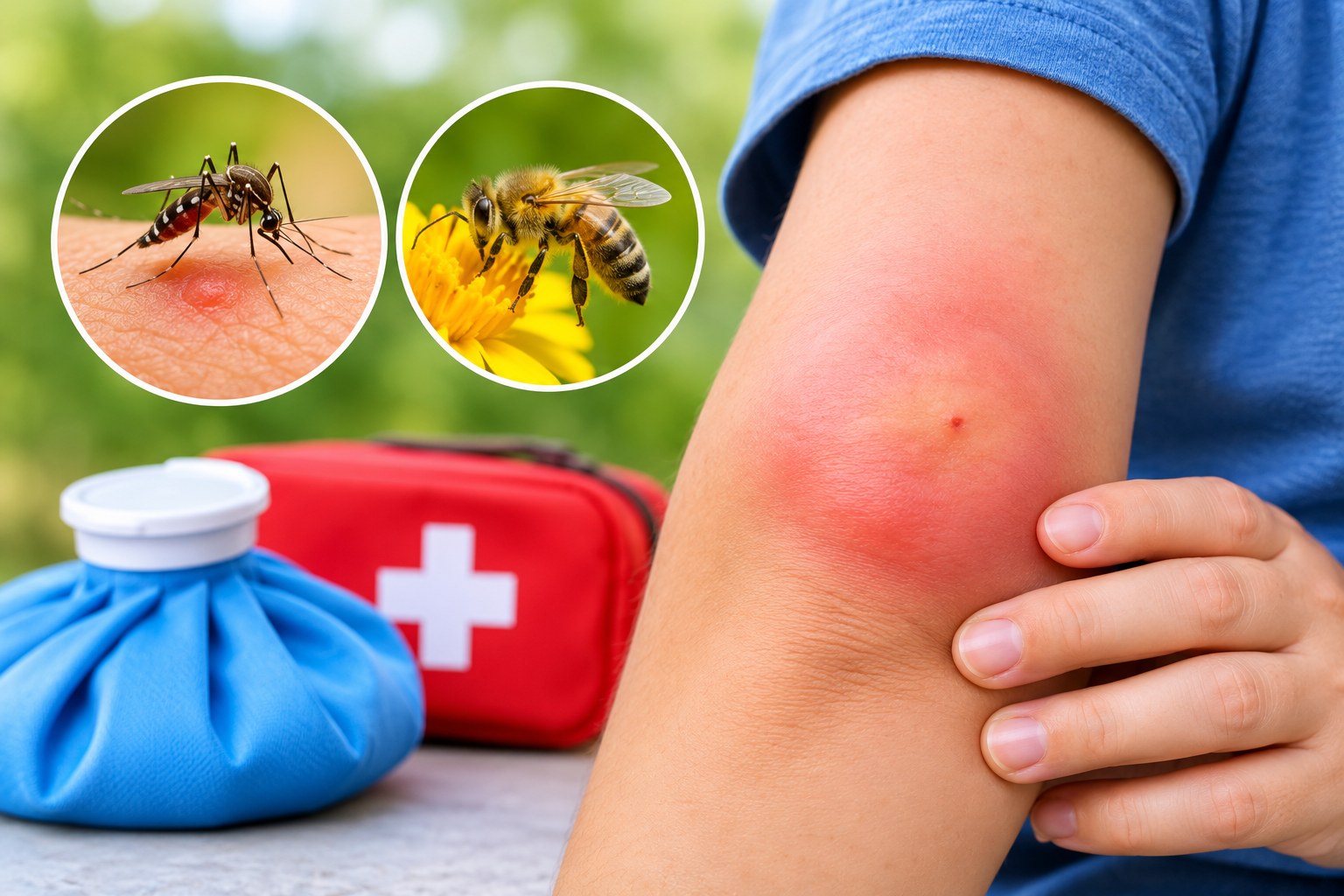
Table of contents
- 1. What Happens After a Bite or Sting?
- 2. Reading the Reaction Levels
- 3. Allergy vs Infection After a Sting
- 4. Who Is at Higher Risk?
- 5. What a Clinician May Do
- 6. The Five First-Aid Steps
- 7. Graph: Illustrative Swelling Over Time
- 8. Sample Sting Recovery Timeline
- 9. Red Flags: When to Call 911 or Seek Urgent Care
- 10. Where to Get Care: Elmhurst, Chinatown and Lower Manhattan
- 11. Contact Us
- Conclusion
- Frequently Asked Questions
- See a Doctor in Elmhurst or Chinatown
Most of us have been stung or bitten by an insect: a bee in the park, a mosquito at dusk, a wasp at a picnic. For most people the reaction is a small, tender, itchy bump that fades in a day or two. For others, swelling spreads far beyond the spot, and for a small group the body overreacts in a way that is life-threatening. Knowing which reaction you are dealing with, and what to do in the first few minutes, can make a major difference.
This guide explains the levels of reaction to insect bites and stings, how to tell a normal reaction from a large local reaction, infection or anaphylaxis, five first-aid steps, a sample recovery timeline and the red flags that need emergency care. City Prime Care serves patients in Elmhurst, Queens and Lower Manhattan. This article is general education and not a substitute for personal medical advice.
Quick takeaways:
- A small local reaction with pain, redness and itching is normal and can be treated at home.
- A large local reaction can swell a whole limb for several days but is not anaphylaxis; it still deserves medical review if it keeps repeating.
- Hives, swelling of the face or throat, wheezing, dizziness or vomiting after a sting are signs of anaphylaxis: call 911 and use epinephrine if prescribed.
- Redness that spreads after day two, warmth, pus or fever can mean infection rather than allergy.
1. What Happens After a Bite or Sting?
When an insect bites or stings, it injects proteins or venom that irritate the skin and trigger the immune system. Bee stings often leave the stinger behind, while wasps and hornets can sting repeatedly. Mosquito, flea and bedbug bites usually cause itching more than pain. The Mayo Clinic first aid guide for insect bites and stings and its anaphylaxis overview are reliable patient references.
Allergy develops after earlier exposure, which is why someone who tolerated stings before may suddenly react strongly. Having a mild reaction one time does not guarantee a mild reaction next time.
2. Reading the Reaction Levels
| Level | What it looks like | Typical timing | Care needed |
|---|---|---|---|
| Normal local reaction | Small red, tender or itchy bump | Peaks in hours, fades in 1 to 3 days | Home care |
| Large local reaction | Swelling over 10 cm (4 inches), may cover a joint or limb | Peaks at 24 to 48 hours, lasts 5 to 10 days | Home care, medical review if severe or recurring |
| Skin infection | Spreading redness, warmth, pus, fever | Usually after day 2 or 3 | Needs medical treatment |
| Anaphylaxis | Hives, swelling of lips or throat, wheeze, dizziness, vomiting | Minutes to an hour | Emergency, call 911 |
3. Allergy vs Infection After a Sting
| Feature | Allergic or large local reaction | Infection |
|---|---|---|
| Timing | Gets worse in the first 1 to 2 days, then slowly fades | Worsens after day 2 or 3 |
| Feel | Itchy, firm, swollen | Painful, hot, tender, may drain pus |
| Spread | Swelling spreads gradually then stops | Red streaks or spreading redness |
| Fever | Rare | Possible |
If you also have a rash between your toes, see how fungal and other skin conditions differ in peeling, itchy skin between the toes.
4. Who Is at Higher Risk?
Take extra care if you:
- Have had a previous severe reaction, hives or breathing symptoms after a sting.
- Have asthma, heart disease or take beta blockers or ACE inhibitors, which can make anaphylaxis harder to treat.
- Work or spend time outdoors, such as gardeners, construction workers and hikers.
- Have mastocytosis or other mast cell conditions, or were stung many times at once.
- Are a child, an older adult, or have a weakened immune system or diabetes, which raise the risk of skin infection.
Outdoor exposure also brings other risks; see our guide on what to do after a tick bite and how to know if it is Lyme disease.
5. What a Clinician May Do
A typical evaluation includes:
- Checking breathing, blood pressure, skin and the sting site, and treating anaphylaxis immediately with epinephrine when needed.
- Antihistamines, a short course of steroids for a large local reaction, or antibiotics if the area is infected.
- A tetanus check, since broken skin may need an updated shot; see our adult vaccines guide.
- Referral to an allergy specialist for testing and venom immunotherapy after a serious reaction; see when your primary care doctor sends you to a specialist.
- A prescription for an epinephrine auto-injector and teaching on how to use it.
6. The Five First-Aid Steps
For a typical bite or sting:
- Move away from the insect, and scrape out any stinger with a fingernail or card edge as fast as you can; speed matters more than technique.
- Wash the area with soap and water, then apply a cold pack wrapped in cloth for 10 to 15 minutes to reduce swelling and pain.
- Raise the limb if it is swollen, and avoid scratching, which can break the skin and cause infection.
- Use an oral antihistamine for itching, a hydrocortisone cream or a pain reliever as directed on the label, and check with a clinician if you are pregnant or have other conditions.
- Watch for 24 to 48 hours for spreading redness, pus, fever or breathing symptoms, and seek care promptly if they appear.
If you carry an epinephrine auto-injector and develop signs of anaphylaxis, use it immediately and call 911, even if you feel better afterward. A yearly checkup can include a review of allergies and vaccinations; see our annual physical guide.
7. Graph: Illustrative Swelling Over Time
This is a teaching graph, not patient data. It shows how swelling usually peaks later in a large local reaction than in a normal one.
| Time after sting | Normal reaction (illustrative) | Large local reaction (illustrative) |
|---|---|---|
| 1 hour | █████ | ███ |
| 12 hours | ████ | ██████ |
| Day 2 | ██ | ██████████ |
| Day 4 | █ | ████████ |
| Day 7 | - | ████ |
8. Sample Sting Recovery Timeline
| Time | Goal | Sample actions | Check |
|---|---|---|---|
| First 15 minutes | Remove stinger, calm the skin | Scrape out stinger, wash, cold pack | Any breathing trouble, hives or throat tightness? Call 911 |
| Hours 1-24 | Control itching and pain | Cold pack, antihistamine, elevate limb | Is swelling spreading beyond the area? |
| Days 2-4 | Let a large reaction settle | Elevate, cool compresses, avoid scratching | Any increasing pain, heat or pus? |
| Days 5-10 | Finish recovery and plan ahead | See a clinician if reaction was large or severe, ask about allergy testing | Do you need an epinephrine auto-injector? |
9. Red Flags: When to Call 911 or Seek Urgent Care
Call 911 or go to the emergency room for:
- Hives, itching all over, swelling of the lips, tongue, face or throat.
- Trouble breathing, wheezing, hoarse voice or trouble swallowing.
- Dizziness, fainting, a very fast pulse, vomiting or severe stomach cramps after a sting.
- Many stings at once, or a sting inside the mouth or throat.
Seek urgent care the same day for:
- Spreading redness, red streaks, pus, fever or pain that is getting worse after two days.
- A swollen area that covers a joint or most of a limb, or a reaction that is getting worse instead of better.
- A bite followed by flu-like symptoms or a rash that spreads.
10. Where to Get Care: Elmhurst, Chinatown and Lower Manhattan
For a swollen, painful or infected bite, many people search for urgent care Elmhurst NY, a walk in clinic Elmhurst NY, urgent care 11373, or a same day doctor appointment Elmhurst. For allergy follow-up, epinephrine prescriptions, vaccine review and chronic conditions such as asthma, patients choose a primary care doctor Elmhurst NY, a family doctor Elmhurst Queens, or chronic disease management Elmhurst NY. Downtown, people look for primary care Lower Manhattan, primary care Chinatown NYC, a doctor near Catherine Street NYC, primary care 75 Catherine St, or a walk-in clinic Chinatown NYC.
| Area | Common searches | How care can help |
|---|---|---|
| Elmhurst (ZIP 11373) | Urgent care 11373, same day doctor appointment Elmhurst | Same-day treatment of swelling or infection |
| Elmhurst, Queens | Family doctor Elmhurst Queens, primary care doctor Elmhurst NY | Allergy follow-up and auto-injector prescriptions |
| Lower Manhattan | Primary care Lower Manhattan, preventive care Lower Manhattan | Vaccine review and referral planning |
| Chinatown / Catherine Street | Primary care Chinatown NYC, doctor near Catherine Street NYC, primary care 75 Catherine St | Convenient downtown care |
| Citywide | Primary care doctor NYC, family doctor Manhattan NYC, same day primary care NYC | Same-day or scheduled evaluation |
A primary care doctor near me search, a physical exam clinic Elmhurst NY visit, preventive care Elmhurst NY, or an annual physical exam NYC is a good moment to review allergies and your emergency plan. You can also find the clinic on Google.
11. Contact Us
Stung or bitten and not sure how serious it is? Visit our Contact Us page or see our Google listing. For trouble breathing, throat swelling or fainting, call 911.
Conclusion
Most bites and stings heal with cold packs, elevation and antihistamines, but swelling that spreads, signs of infection or any breathing symptoms need prompt care. If you have ever had a serious reaction, talk to a clinician about allergy testing and an epinephrine plan before the next sting.
Frequently Asked Questions
See a Doctor in Elmhurst or Chinatown
Have a question about your own health? Book a visit at our Elmhurst, Queens clinic or our Chinatown, Manhattan clinic, or explore our primary care services.
Related articles
Healthcare
Why Did You Suddenly Break Out in Itchy Welts, and Are They Hives? Reading the Trigger List, the Five Emergency Signs and the Sample Trigger Diary
Raised, itchy welts that appear and fade within hours are often hives. Learn common triggers, when swelling becomes an emergency, how antihistamines work, five emergency signs and a sample trigger diary with a simple graph.
Healthcare
Why Are Your Ankles and Feet Swollen by Evening, and When Is Leg Swelling Serious? Reading the Swelling Patterns, the Five Relief Steps and the Sample Two-Week Swelling Diary
Swollen ankles after a long day can be harmless, but swelling in one leg, sudden weight gain or breathlessness can signal a clot, heart, kidney or liver problem. Learn the patterns, five relief steps and a two-week diary.
Healthcare
Why Is a Red, Itchy Ring-Shaped Patch Spreading on Your Skin, and Is It Ringworm? Reading the Patch Types, the Five Treatment Steps and the Sample Four-Week Clearing Plan
A red, scaly, ring-shaped itchy patch is often ringworm, a common fungal skin infection that is not caused by a worm. Learn the patch types, look-alike rashes, five treatment steps and a four-week clearing plan.