HealthcareBy City Prime Care Team
Why Did You Suddenly Break Out in Itchy Welts, and Are They Hives? Reading the Trigger List, the Five Emergency Signs and the Sample Trigger Diary
Raised, itchy welts that appear and fade within hours are often hives. Learn common triggers, when swelling becomes an emergency, how antihistamines work, five emergency signs and a sample trigger diary with a simple graph.
Medically reviewed by Dr. Helen Vasquez10 min read
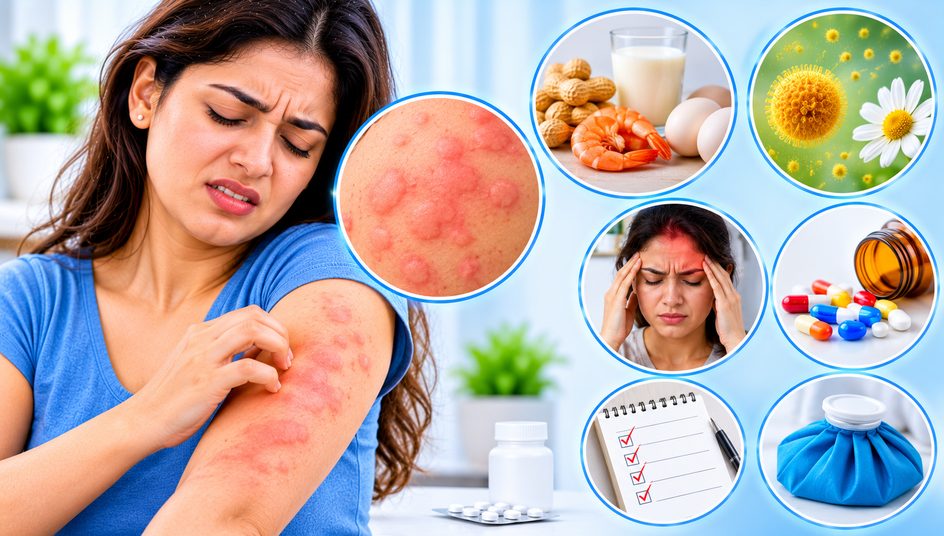
Table of contents
- 1. What Are Hives?
- 2. Acute vs Chronic Hives
- 3. Symptoms to Notice
- 4. Common Triggers
- 5. Five Emergency Signs
- 6. How Hives Are Diagnosed
- 7. Treatment Options
- 8. Sample Trigger Diary
- 9. Five Steps to Reduce Flares
- 10. Primary, Urgent and Preventive Care in Elmhurst and Lower Manhattan
- 11. Contact Us and Find Us Online
- Conclusion
- Frequently Asked Questions
- See a Doctor in Elmhurst or Chinatown
Hives, also called urticaria, are raised, itchy welts that appear on the skin, often in clusters. They can be pink, red or skin-colored, range from the size of a pencil eraser to a dinner plate and may join together. A single welt typically fades within 24 hours, but new ones can keep appearing for days or longer. Hives happen when cells in the skin release histamine, which makes tiny blood vessels leak fluid into the skin.
Hives are common, and many people have them at least once. Most cases are short and harmless, but hives can also be the first sign of a serious allergic reaction. This guide explains what hives look like, common triggers, how they differ from other rashes, the five emergency signs, how they are treated, a sample trigger diary and ways to prevent flares. It is general education only. Hives with trouble breathing, throat tightness or tongue and lip swelling can be life-threatening. Call 911.
| At a Glance | Key Point |
|---|---|
| What it is | Itchy, raised welts caused by histamine release in the skin |
| How long they last | Each welt usually fades within 24 hours; acute hives last under 6 weeks and chronic hives longer |
| Common triggers | Foods, medicines, infections, insect stings, heat, cold, pressure and stress; often no cause is found |
| Treatment | Non-sedating antihistamines, trigger avoidance and, for some, further prescription treatment |
| Emergency signs | Trouble breathing, throat tightness, face or tongue swelling, dizziness or vomiting |
1. What Are Hives?
Hives are wheals, raised welts that turn pale when pressed and move from place to place. They itch, and some people feel stinging or burning. Deeper swelling in the lips, eyelids, hands or genitals is called angioedema, and it often occurs together with hives. For trusted background, see MedlinePlus on hives and the Mayo Clinic overview of hives and angioedema.
2. Acute vs Chronic Hives
| Feature | Acute Hives | Chronic Hives |
|---|---|---|
| Duration | Less than 6 weeks | 6 weeks or longer, appearing on most days |
| Common causes | Foods, medicines, infections and stings | Often no outside cause found; may involve the immune system |
| Outlook | Usually settles within days to weeks | Can last months or years but often eventually clears |
| Care needed | Antihistamines and trigger avoidance | Clinic evaluation, daily antihistamine plan and sometimes added medicines |
3. Symptoms to Notice
Common signs include:
- Raised, red or skin-colored welts of different sizes that itch.
- Welts that appear in one spot and fade while new ones pop up elsewhere.
- Welts that turn pale in the center when pressed.
- Swelling of the lips, eyelids, hands, feet or throat, which suggests angioedema.
- Hives that appear after heat, exercise, cold, pressure or scratching.
Hives that leave a bruise, last longer than 24 hours in the same spot or burn more than itch should be examined, since they may be another skin condition.
4. Common Triggers
| Trigger Group | Examples | Notes |
|---|---|---|
| Foods | Peanuts, tree nuts, shellfish, eggs, milk, fish and additives | Food allergy reactions often appear within minutes to two hours; see a food allergy or just food intolerance |
| Medicines | Antibiotics such as penicillin, aspirin and other anti-inflammatory pain relievers, some blood pressure drugs | Report any rash after starting a new medicine |
| Infections | Colds, strep throat, urinary infections and other viruses | A very common cause of acute hives in children |
| Stings and contact | Bee or wasp stings, latex, plants and animal dander | Can also trigger severe allergic reactions |
| Physical triggers | Heat, cold, sun, sweating, pressure, vibration and scratching | Called physical or inducible urticaria |
| Stress and illness | Emotional stress and some immune or thyroid conditions | Stress can worsen hives; see when stress, low mood or anxiety need a doctor's help |
In many people, especially with chronic hives, no trigger is ever found. That does not mean nothing can be done.
5. Five Emergency Signs
Hives with any of these signs can be anaphylaxis. Call 911 right away and use prescribed epinephrine if you have it:
- Trouble breathing, wheezing or a tight chest.
- A tight throat, hoarse voice or trouble swallowing.
- Swelling of the lips, tongue or face.
- Dizziness, fainting, a weak pulse or pale, clammy skin.
- Repeated vomiting, severe stomach cramps or a sense of impending doom after exposure to a food, sting or medicine.
Do not wait to see if symptoms improve. Read when a problem calls for the emergency room instead of urgent care in Queens for help deciding where to go.
6. How Hives Are Diagnosed
Hives are diagnosed by their look and your story. Your clinician asks about foods, medicines, infections, stings, activity and stress around the time they began, then examines your skin and checks for swelling. Tests are usually not needed for short-lived hives. For hives lasting beyond six weeks, blood tests may check for infection, thyroid or other immune causes, and an allergist may be involved. Allergy testing helps when a specific trigger is suspected. See when your primary care doctor sends you to a specialist.
7. Treatment Options
| Option | How It Helps | Notes |
|---|---|---|
| Non-sedating antihistamines | Block histamine and reduce itch and welts | Cetirizine, loratadine and fexofenadine are common choices; follow label directions |
| Avoiding triggers | Prevents new welts | Stop a suspected medicine only after talking with your clinician |
| Cool compresses and loose clothing | Ease itching and irritation | Avoid hot showers and tight clothes |
| Short oral steroid course | Calms severe or stubborn flares | Prescribed for limited periods |
| Added prescription therapy | For chronic hives that does not respond to antihistamines | Includes injected options managed by specialists |
| Epinephrine auto-injector | Emergency treatment for anaphylaxis | Prescribed to people at risk; call 911 after use |
Sedating antihistamines can cause drowsiness and are not ideal for older adults. Ask your clinician or pharmacist what is safest for you or your child.
8. Sample Trigger Diary
A short diary can reveal patterns that a quick visit might miss. This teaching example shows a week of notes. The squares show example itch and welt severity from 1 to 6.
| Day | What Happened Before | Example Severity |
|---|---|---|
| Monday | Started a new antibiotic for a sore throat | ■■■■ |
| Tuesday | Took an antihistamine; hot shower in the evening | ■■■■■ |
| Wednesday | Stopped the new medicine after advice; no new foods | ■■■ |
| Thursday | Cool showers, loose clothes, antihistamine continued | ■■ |
| Friday | Few welts and almost no itch | ■ |
Bring your diary to your visit. Note foods, medicines, activities, weather and stress, and take clear photos of welts, since they may fade by the time you are seen.
9. Five Steps to Reduce Flares
These habits help you manage hives day to day:
- Take your antihistamine on a regular schedule if your clinician advises it, not only after welts appear.
- Keep a trigger diary and avoid known triggers such as certain foods or medicines.
- Wear loose cotton clothing, avoid overheating and use cool showers.
- Manage stress and sleep, since both can make hives worse.
- Carry prescribed epinephrine if you have had a severe reaction, and tell every clinician about your allergies.
10. Primary, Urgent and Preventive Care in Elmhurst and Lower Manhattan
Sudden hives can be frightening, and many people in Queens look for urgent care Elmhurst NY, a walk in clinic Elmhurst NY or a same day doctor appointment Elmhurst to find out what is happening. City Prime Care helps patients searching for urgent care 11373, a primary care doctor Elmhurst NY, a family doctor Elmhurst Queens or a primary care doctor near me. After a reaction, our team can also offer a physical exam clinic Elmhurst NY visit, preventive care Elmhurst NY and chronic disease management Elmhurst NY for related conditions such as asthma, eczema or thyroid problems.
Downtown, people who need primary care Lower Manhattan, a primary care doctor NYC or primary care Chinatown NYC can reach our team near 75 Catherine St. Whether you search for a doctor near Catherine Street NYC, primary care 75 Catherine St, a walk-in clinic Chinatown NYC or a family doctor Manhattan NYC, we can examine your skin and review medicines and allergies. You can also use the visit to book an annual physical exam NYC, same day primary care NYC or preventive care Lower Manhattan. See what happens at your first urgent care visit in Elmhurst and which conditions urgent care in Elmhurst can treat.
11. Contact Us and Find Us Online
If you have hives that keep coming back, welts after a new medicine or food, or you want a plan for managing allergies, our team can examine you and guide next steps. For non-emergency questions, Contact Us, book a visit, or find City Prime Care on Google: City Prime Care on Google. For hives with trouble breathing, throat tightness or swelling of the face, lips or tongue, call 911 or go to the emergency room.
Conclusion
Most hives are short-lived and respond to antihistamines and trigger avoidance, but swelling of the face or throat with breathing trouble is an emergency. Keep a simple diary, report any link to a new medicine or food and follow up if hives last more than a few weeks. This article is for general education and does not replace medical advice.
Frequently Asked Questions
See a Doctor in Elmhurst or Chinatown
Have a question about your own health? Book a visit at our Elmhurst, Queens clinic or our Chinatown, Manhattan clinic, or explore our primary care services.
Related articles
Healthcare
Why Is a Bug Bite or Bee Sting Swelling Far Beyond the Spot, and When Is It an Allergic Reaction? Reading the Reaction Levels, the Five First-Aid Steps and the Sample Sting Recovery Timeline
Most insect bites and stings cause small, local swelling, but some trigger large reactions or anaphylaxis. Learn the reaction levels, five first-aid steps, red flags and a sample recovery timeline.
Healthcare
Why Are Your Ankles and Feet Swollen by Evening, and When Is Leg Swelling Serious? Reading the Swelling Patterns, the Five Relief Steps and the Sample Two-Week Swelling Diary
Swollen ankles after a long day can be harmless, but swelling in one leg, sudden weight gain or breathlessness can signal a clot, heart, kidney or liver problem. Learn the patterns, five relief steps and a two-week diary.
Healthcare
Why Is a Red, Itchy Ring-Shaped Patch Spreading on Your Skin, and Is It Ringworm? Reading the Patch Types, the Five Treatment Steps and the Sample Four-Week Clearing Plan
A red, scaly, ring-shaped itchy patch is often ringworm, a common fungal skin infection that is not caused by a worm. Learn the patch types, look-alike rashes, five treatment steps and a four-week clearing plan.