HealthcareBy City Prime Care Team
Why Did You Suddenly Faint or Almost Black Out When Standing Up, and When Is It More Than Low Blood Pressure? Reading the Faint Types, the Five Safety Steps and the Sample Symptom Diary
Fainting or nearly blacking out can be harmless or a sign of a heart or blood pressure problem. Learn the faint types, five safety steps, red flags and a sample symptom diary.
Medically reviewed by Dr. Karl E. Latortue11 min read
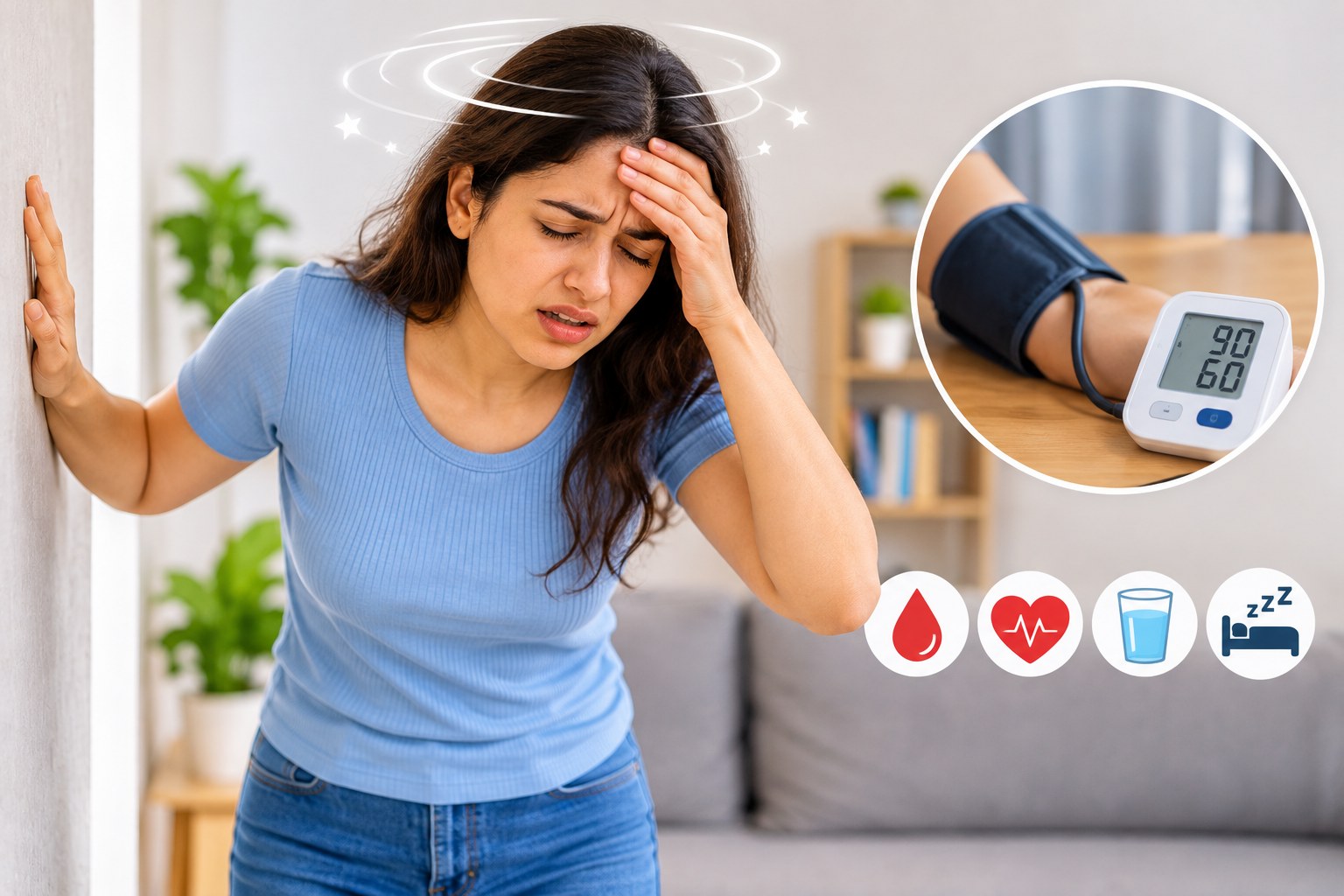
Table of contents
- 1. What Happens When You Faint?
- 2. Reading the Faint Types
- 3. Simple Faint vs Warning-Sign Faint
- 4. Common Causes and Who Is at Higher Risk
- 5. What a Clinician May Do
- 6. The Five Safety Steps
- 7. Graph: Illustrative Blood Pressure Drop on Standing
- 8. Sample Symptom Diary
- 9. Red Flags: When to Seek Urgent Care
- 10. Where to Get Care: Elmhurst, Chinatown and Lower Manhattan
- 11. Contact Us
- Conclusion
- Frequently Asked Questions
- See a Doctor in Elmhurst or Chinatown
Few things are as alarming as fainting, or the moment when your vision narrows, your ears ring and the room seems to tilt as you stand up. Doctors call a true faint syncope: a brief loss of consciousness caused by a temporary drop in blood flow to the brain. Many faints are harmless and have a clear trigger such as dehydration, standing too fast, heat or the sight of blood. A smaller group are caused by heart rhythm or structural problems, and those are the ones that must not be missed.
This guide explains the main types of fainting, how to tell a simple faint from a worrying one, five safety steps, a sample symptom diary and the red flags that need urgent care. City Prime Care serves patients in Elmhurst, Queens and Lower Manhattan. This article is general education and not a substitute for personal medical advice.
Quick takeaways:
- Most fainting episodes are benign and linked to standing, dehydration, heat, pain or stress, but a first faint should still be evaluated.
- Fainting during exercise, with chest pain or palpitations, or with no warning at all needs prompt medical assessment.
- Sit or lie down at the first warning signs, because most injuries from fainting come from the fall.
- A symptom diary with timing, triggers and what you were doing helps your clinician find the cause faster.
1. What Happens When You Faint?
Your brain needs a constant supply of blood. When blood pressure falls or the heart cannot pump enough for a few seconds, the brain is briefly starved of oxygen and you lose consciousness. Because you collapse into a lying position, blood flows back to the head and most people wake within a minute. The Mayo Clinic fainting overview and the NHS guide to fainting are reliable patient references.
Warning signs, called a prodrome, often come first: lightheadedness, pale or clammy skin, blurred or tunnel vision, nausea, a feeling of warmth and muffled hearing. If you feel these, sitting or lying down right away can stop a full faint.
2. Reading the Faint Types
| Type | Typical trigger | Typical clues | Usual concern level |
|---|---|---|---|
| Vasovagal (reflex) faint | Pain, fear, blood, long standing, heat | Warning signs, pale and sweaty, quick recovery | Usually low |
| Orthostatic (standing up) | Getting up fast, dehydration, some medicines | Dizzy within seconds to minutes of standing | Low to moderate |
| Situational faint | Coughing, urinating, swallowing, straining | Happens in the same situation each time | Low to moderate |
| Heart rhythm or structural cause | Exercise, palpitations, family history | Little or no warning, may happen sitting or lying | High, needs prompt evaluation |
| Other causes | Low blood sugar, anemia, medicines, alcohol | Fatigue, shakiness, pallor, other symptoms | Varies |
If you also feel your heart racing or skipping, read our guide on when heart palpitations are harmless and when they need a doctor.
3. Simple Faint vs Warning-Sign Faint
| Feature | More reassuring | More concerning |
|---|---|---|
| Warning before | Yes, several seconds of lightheadedness | None, sudden collapse |
| Position | Standing or sitting up after a trigger | While lying down or during exercise |
| Associated symptoms | Nausea, sweating, pallor | Chest pain, palpitations, shortness of breath |
| Recovery | Quick and complete | Confusion lasting minutes, or injury |
| History | Similar episodes since youth | Heart disease, sudden death in a young relative |
4. Common Causes and Who Is at Higher Risk
Common contributors include:
- Dehydration, skipped meals, heat and long periods of standing.
- Blood pressure medicines, diuretics, some antidepressants and other drugs that lower blood pressure.
- Anemia and low iron, which reduce oxygen delivery; see why you feel tired all the time.
- Low or swinging blood sugar, especially in people with diabetes; see our type 2 diabetes guide.
- Heart rhythm problems, valve disease or a weak heart muscle.
- Older age, pregnancy and recovery from illness, when blood pressure regulation is more fragile.
5. What a Clinician May Do
A typical evaluation includes:
- A detailed story of what happened before, during and after, ideally with a witness account.
- Blood pressure and pulse lying and standing to check for orthostatic changes.
- An electrocardiogram (ECG) to look at heart rhythm, which is part of almost every first faint workup.
- Blood tests when appropriate, such as blood count and glucose; our guide on reading your blood test results explains common panels.
- A medicine review, and referral to cardiology or for heart monitoring if a heart cause is possible.
6. The Five Safety Steps
These steps lower your risk of injury and of repeat episodes:
- Sit or lie down at the first warning sign, and raise your legs if you can.
- Drink enough fluids through the day and do not skip meals, unless your doctor has advised a fluid limit.
- Stand up slowly from lying or sitting, pausing for a few seconds at the edge of the bed.
- Write down every episode in a symptom diary, with time, trigger, warning signs and how long it lasted.
- Book a medical check after a first faint, and ask for a medicine review if you take blood pressure drugs.
A yearly checkup is a good time to review blood pressure and medicines; see our annual physical guide. Stress and poor sleep can also add to dizziness, as described in when stress, low mood or anxiety need a doctor's help.
7. Graph: Illustrative Blood Pressure Drop on Standing
This is a teaching graph, not patient data. It shows how systolic blood pressure may fall after standing in someone with orthostatic symptoms, compared with someone whose body adjusts normally.
| Time after standing | Normal adjustment (illustrative) | Orthostatic drop (illustrative) |
|---|---|---|
| Lying down | ██████████ | ██████████ |
| 30 seconds | █████████ | ███████ |
| 1 minute | ██████████ | ██████ |
| 3 minutes | ██████████ | █████ |
| 5 minutes | ██████████ | ██████ |
8. Sample Symptom Diary
| Date and time | What I was doing | Warning signs | How long and what happened next |
|---|---|---|---|
| Mon 8:10 am | Stood up quickly from bed | Dizzy, tunnel vision | Sat down, passed in 20 seconds |
| Wed 5:30 pm | Standing in a hot, crowded train | Nausea, sweating | Fainted briefly, woke within 30 seconds |
| Sat 11:00 am | Jogging, no warning | None | Collapsed, needs urgent evaluation |
Bring this diary, a list of your medicines and any home blood pressure readings to your appointment.
9. Red Flags: When to Seek Urgent Care
Call 911 or go to the emergency room for:
- Fainting with chest pain, shortness of breath or a racing or irregular heartbeat.
- Fainting during exercise or with no warning at all.
- A head injury, or confusion that lasts more than a few minutes after waking.
- Weakness on one side, trouble speaking, severe headache or vision loss.
- Fainting during pregnancy, or fainting with a known heart condition or a family history of sudden cardiac death.
If a faint is followed by ongoing symptoms and you are unsure what to do next, read when your primary care doctor sends you to a specialist.
10. Where to Get Care: Elmhurst, Chinatown and Lower Manhattan
After a faint or near-faint, many people search for urgent care Elmhurst NY, a walk in clinic Elmhurst NY, urgent care 11373, or a same day doctor appointment Elmhurst so a clinician can check blood pressure and heart rhythm quickly. For ongoing dizziness, medicine review and heart or blood pressure follow-up, patients choose a primary care doctor Elmhurst NY, a family doctor Elmhurst Queens, or chronic disease management Elmhurst NY. Downtown, people look for primary care Lower Manhattan, primary care Chinatown NYC, a doctor near Catherine Street NYC, primary care 75 Catherine St, or a walk-in clinic Chinatown NYC.
| Area | Common searches | How care can help |
|---|---|---|
| Elmhurst (ZIP 11373) | Urgent care 11373, same day doctor appointment Elmhurst | Same-day vitals, ECG and first assessment |
| Elmhurst, Queens | Family doctor Elmhurst Queens, primary care doctor Elmhurst NY | Medicine review, blood tests, follow-up |
| Lower Manhattan | Primary care Lower Manhattan, preventive care Lower Manhattan | Ongoing blood pressure and prevention planning |
| Chinatown / Catherine Street | Primary care Chinatown NYC, doctor near Catherine Street NYC, primary care 75 Catherine St | Convenient downtown evaluation |
| Citywide | Primary care doctor NYC, family doctor Manhattan NYC, same day primary care NYC | Same-day or scheduled care |
A primary care doctor near me search, a physical exam clinic Elmhurst NY visit, preventive care Elmhurst NY, or an annual physical exam NYC is a practical way to review blood pressure and medicines before problems repeat. You can also find the clinic on Google.
11. Contact Us
Had a faint or dizzy spell and want it checked? Visit our Contact Us page or see our Google listing. For emergencies such as chest pain, trouble speaking or fainting with a head injury, call 911.
Conclusion
Most faints are brief and harmless, but a first faint, a faint during exercise or one with heart symptoms deserves a proper check. Sitting down at the first warning, staying hydrated, standing slowly and keeping a symptom diary will help you and your clinician find the cause and stay safe.
Frequently Asked Questions
See a Doctor in Elmhurst or Chinatown
Have a question about your own health? Book a visit at our Elmhurst, Queens clinic or our Chinatown, Manhattan clinic, or explore our primary care services.
Related articles
Healthcare
Why Does Your Nose Keep Bleeding, and When Is a Nosebleed Serious? Reading the Bleeding Types, the Five First-Aid Steps and the Sample Home-Care Timeline
Most nosebleeds look scary but stop with the right pressure. Learn the types of nosebleeds, the five first-aid steps, warning signs that need urgent care and a sample home-care timeline with a simple graph.
Healthcare
Why Are Your Ankles and Feet Swollen by Evening, and When Is Leg Swelling Serious? Reading the Swelling Patterns, the Five Relief Steps and the Sample Two-Week Swelling Diary
Swollen ankles after a long day can be harmless, but swelling in one leg, sudden weight gain or breathlessness can signal a clot, heart, kidney or liver problem. Learn the patterns, five relief steps and a two-week diary.
Healthcare
Why Is a Red, Itchy Ring-Shaped Patch Spreading on Your Skin, and Is It Ringworm? Reading the Patch Types, the Five Treatment Steps and the Sample Four-Week Clearing Plan
A red, scaly, ring-shaped itchy patch is often ringworm, a common fungal skin infection that is not caused by a worm. Learn the patch types, look-alike rashes, five treatment steps and a four-week clearing plan.