HealthcareBy City Prime Care Team
Why Does Your Nose Keep Bleeding, and When Is a Nosebleed Serious? Reading the Bleeding Types, the Five First-Aid Steps and the Sample Home-Care Timeline
Most nosebleeds look scary but stop with the right pressure. Learn the types of nosebleeds, the five first-aid steps, warning signs that need urgent care and a sample home-care timeline with a simple graph.
Medically reviewed by Dr. Helen Vasquez10 min read
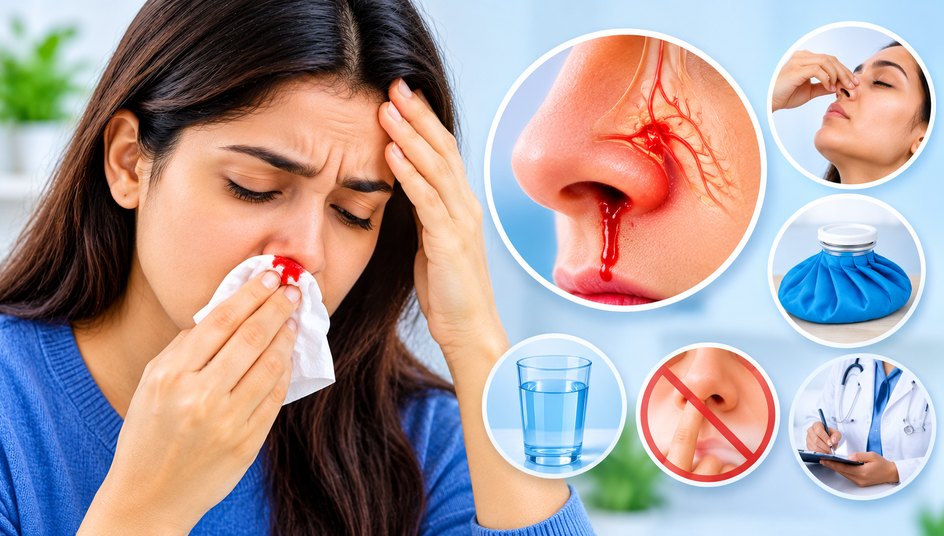
Table of contents
- 1. How and Why a Nosebleed Happens
- 2. The Two Types of Nosebleeds
- 3. Common Causes
- 4. Who Is at Higher Risk?
- 5. Five First-Aid Steps That Work
- 6. Common Mistakes to Avoid
- 7. Five Warning Signs That Need Prompt Care
- 8. How Clinicians Treat Stubborn Nosebleeds
- 9. Sample Home-Care Timeline
- 10. Five Prevention Steps
- 11. Primary, Urgent and Preventive Care in Elmhurst and Lower Manhattan
- 12. Contact Us and Find Us Online
- Conclusion
- Frequently Asked Questions
- See a Doctor in Elmhurst or Chinatown
A nosebleed, called epistaxis, happens when a small blood vessel inside the nose breaks. The lining of the nose is thin and packed with tiny vessels, so even a light bump, a dry day or a hard sneeze can cause bleeding that looks far worse than it is. Most nosebleeds are harmless, stop within about 10 to 15 minutes with proper pressure and never need more than first aid at home.
Still, a nosebleed can also be a clue to dry winter air, allergies, medicines that thin the blood, high blood pressure or, rarely, a bleeding disorder. This guide explains the two main types of nosebleeds, common causes, who is at higher risk, five first-aid steps that really work, the mistakes to avoid, five warning signs that need prompt care, how clinicians treat stubborn bleeding, a sample home-care timeline with a simple graph, five prevention steps and FAQs. It is general education only. Call 911 for bleeding that will not stop, bleeding after a serious head injury, or bleeding with dizziness or fainting.
| At a Glance | Key Point |
|---|---|
| What it is | Bleeding from the delicate blood vessels inside the nose |
| Most common type | Anterior nosebleed from the front of the nose; usually minor |
| Common causes | Dry air, nose picking, colds, allergies, injury, nasal sprays and blood thinners |
| Best first aid | Sit up, lean forward and pinch the soft part of the nose for 10 to 15 minutes |
| See a clinician | Bleeding over 20 minutes, frequent bleeds, bleeding after injury or on blood thinners |
1. How and Why a Nosebleed Happens
The front part of the nasal septum, the wall between the nostrils, holds a network of small vessels close to the surface. When the lining dries out, cracks or is scratched, those vessels bleed easily. Cold, dry winter air and indoor heating, which are common in New York from November through March, are among the most frequent triggers. For trusted background, see MedlinePlus on nosebleeds and the ENTHealth guide to nosebleeds.
2. The Two Types of Nosebleeds
| Type | Where It Starts | Typical Features | Usual Care |
|---|---|---|---|
| Anterior | Front of the nose, near the septum | Blood drips from one nostril; very common in children and adults | Home first aid; clinic visit if it keeps returning |
| Posterior | Deeper in the nose, near the back of the throat | Heavy bleeding, blood runs down the throat, often in older adults or with high blood pressure | Needs prompt medical care, sometimes the emergency room |
About 90 percent of nosebleeds are anterior, and these are the ones you can usually manage yourself.
3. Common Causes
Nosebleeds are often triggered by:
- Dry air from winter weather, heaters or air conditioning.
- Nose picking, hard blowing or rubbing the nose.
- Colds, sinus infections and seasonal allergies, which inflame and dry the lining; see allergies or just a cold.
- Nasal steroid sprays or decongestant sprays used for long periods or aimed the wrong way.
- Blood thinners, aspirin, ibuprofen and some supplements such as fish oil or ginkgo.
- Injury to the nose or face, or objects placed in the nose, especially in children.
- High blood pressure, alcohol use and, rarely, clotting disorders or growths in the nose.
4. Who Is at Higher Risk?
| Group | Why It Matters |
|---|---|
| Children ages 2 to 10 | Thin nasal lining, nose picking and frequent colds |
| Adults over 50 | Fragile vessels and a higher chance of blood pressure or blood-thinner use |
| People on blood thinners or daily aspirin | Blood takes longer to clot, so bleeds last longer |
| People with allergies or frequent colds | Constant irritation and blowing dry out the lining; see when your primary care doctor sends you to a specialist |
| People who use nasal sprays or oxygen | Dryness and irritation of the nasal lining |
5. Five First-Aid Steps That Work
If your nose starts to bleed, follow these steps:
- Sit upright and lean your body slightly forward so blood drains out of the nose, not down the throat.
- Pinch the soft part of the nose, just below the bony bridge, with your thumb and finger and breathe through your mouth.
- Hold steady pressure for a full 10 to 15 minutes without letting go to check; set a timer.
- Spit out any blood in your mouth, and place a cold pack on the bridge of the nose if you wish for comfort.
- Once the bleeding stops, rest, keep your head above heart level and avoid blowing, picking or heavy lifting for 24 hours.
If bleeding continues after two rounds of 10 to 15 minutes of pressure, or lasts over 20 minutes in total, get medical care promptly.
6. Common Mistakes to Avoid
These habits make a nosebleed worse or longer:
- Tilting your head back, which sends blood down the throat and can cause gagging or vomiting.
- Lying flat, which raises pressure in the nasal vessels.
- Stuffing tissue deep into the nose, which can tear the clot away when removed.
- Releasing pressure too early to see whether bleeding has stopped.
- Blowing the nose hard right after bleeding stops.
- Taking extra aspirin or ibuprofen for the discomfort unless a clinician has said it is safe.
7. Five Warning Signs That Need Prompt Care
Get urgent care, or call 911 for severe symptoms, if you notice:
- Bleeding that does not stop after 20 minutes of correct pressure, or heavy bleeding that pours or runs down the throat.
- Bleeding after a significant head or face injury, or clear fluid mixed with the blood.
- Dizziness, fainting, a racing heart, pale or clammy skin or trouble breathing.
- Frequent nosebleeds, several a week, or bleeding along with easy bruising, bleeding gums or blood in the urine or stool.
- Nosebleeds in someone taking blood thinners, a child under 2, or anyone with a bleeding disorder or recent nose surgery.
If you are unsure where to go, read when a problem calls for the emergency room instead of urgent care in Queens.
8. How Clinicians Treat Stubborn Nosebleeds
A clinician will ask about medicines, injuries, allergies and blood pressure, check the nose with a light and clear out old clots. Further tests, such as a blood count or clotting studies, are used when bleeding is frequent or heavy. See what to expect in what happens at your first urgent care visit in Elmhurst.
| Option | How It Helps | Notes |
|---|---|---|
| Firm pressure and a topical decongestant | Narrows vessels so bleeding slows | Only under a clinician's advice; do not overuse sprays |
| Cautery with silver nitrate | Seals a visible bleeding vessel | Done in the office after numbing the area |
| Nasal packing or a nasal balloon | Presses on the bleeding site | Used for heavier or deeper bleeding |
| Moisturizing gel or saline spray | Keeps the lining soft after bleeding | Foundation of prevention |
| Medicine review | Adjusts blood thinners or sprays if safe | Never stop a prescribed medicine on your own |
| Specialist referral | ENT evaluation for repeated or posterior bleeds | Used when simple care is not enough |
9. Sample Home-Care Timeline
This teaching example shows how a typical minor anterior nosebleed may be handled over the first week. Your clinician's advice always comes first. The squares show relative effort, where more squares mean more careful care.
| When | What to Do | Care Level |
|---|---|---|
| Minutes 0 to 15 | Sit up, lean forward, pinch and hold pressure | ■■■■■■ |
| Hour 1 | Rest, keep your head up and avoid hot drinks | ■■■■ |
| Day 1 | No blowing, picking or heavy lifting; apply saline gel to the nostrils | ■■■■ |
| Days 2 to 3 | Use a saline spray and a cool-mist humidifier at night | ■■■ |
| Days 4 to 7 | Continue gel at bedtime; blow gently | ■■ |
| After 1 week | Keep up humidity and gentle habits; see a clinician if bleeds return | ■ |
10. Five Prevention Steps
These habits lower the chance of another bleed:
- Keep the nasal lining moist with saline spray or a thin layer of petroleum jelly or saline gel inside the nostrils.
- Use a cool-mist humidifier in the bedroom during winter heating season.
- Avoid picking the nose, keep children's nails short and blow gently, one side at a time.
- Use nasal sprays as directed, aimed slightly away from the septum.
- Check blood pressure regularly, treat allergies and review blood thinners with your clinician; see why vitamin D and other checks matter in New York for related routine testing.
11. Primary, Urgent and Preventive Care in Elmhurst and Lower Manhattan
When a nosebleed will not stop or keeps returning, many Queens residents search for urgent care Elmhurst NY, a walk in clinic Elmhurst NY or a same day doctor appointment Elmhurst. City Prime Care helps patients who need urgent care 11373, a primary care doctor Elmhurst NY, a family doctor Elmhurst Queens or a primary care doctor near me to stop bleeding, check blood pressure and review medicines. A physical exam clinic Elmhurst NY visit, preventive care Elmhurst NY and chronic disease management Elmhurst NY support blood pressure control, allergy care and medicine safety.
Downtown, people looking for primary care Lower Manhattan, a primary care doctor NYC or primary care Chinatown NYC can see our team near 75 Catherine St. Whether you search for a doctor near Catherine Street NYC, primary care 75 Catherine St, a walk-in clinic Chinatown NYC or a family doctor Manhattan NYC, we can examine you, treat the bleeding and arrange tests or referrals. Add an annual physical exam NYC, same day primary care NYC or preventive care Lower Manhattan to review blood pressure and bleeding risk. See which conditions urgent care in Elmhurst can treat.
12. Contact Us and Find Us Online
If nosebleeds keep coming back, our team can find the cause and guide next steps. For non-emergency questions, Contact Us, book a visit, or find City Prime Care on Google: City Prime Care on Google. For bleeding that will not stop, heavy bleeding or bleeding after a serious injury, call 911 or go to the emergency room.
Conclusion
Most nosebleeds stop with the right posture and 10 to 15 minutes of steady pressure, and moisture and gentle habits prevent many repeats. Frequent, heavy or injury-related bleeding deserves a medical check. This article is for general education and does not replace medical advice.
Frequently Asked Questions
See a Doctor in Elmhurst or Chinatown
Have a question about your own health? Book a visit at our Elmhurst, Queens clinic or our Chinatown, Manhattan clinic, or explore our primary care services.
Related articles
Healthcare
Why Did You Suddenly Faint or Almost Black Out When Standing Up, and When Is It More Than Low Blood Pressure? Reading the Faint Types, the Five Safety Steps and the Sample Symptom Diary
Fainting or nearly blacking out can be harmless or a sign of a heart or blood pressure problem. Learn the faint types, five safety steps, red flags and a sample symptom diary.
Healthcare
Why Are Your Ankles and Feet Swollen by Evening, and When Is Leg Swelling Serious? Reading the Swelling Patterns, the Five Relief Steps and the Sample Two-Week Swelling Diary
Swollen ankles after a long day can be harmless, but swelling in one leg, sudden weight gain or breathlessness can signal a clot, heart, kidney or liver problem. Learn the patterns, five relief steps and a two-week diary.
Healthcare
Why Is a Red, Itchy Ring-Shaped Patch Spreading on Your Skin, and Is It Ringworm? Reading the Patch Types, the Five Treatment Steps and the Sample Four-Week Clearing Plan
A red, scaly, ring-shaped itchy patch is often ringworm, a common fungal skin infection that is not caused by a worm. Learn the patch types, look-alike rashes, five treatment steps and a four-week clearing plan.