
HealthcareBy City Prime Care Team
Why Did One Side of Your Face Suddenly Droop, and Is It Bell's Palsy or a Stroke? Reading the Facial Weakness Clues, the Five Eye-Protection Steps and the Sample Six-Month Recovery Timeline
Sudden weakness on one side of the face can be Bell's palsy, but it can also be a stroke. Learn how to tell them apart, five eye-protection steps, treatment timing and a recovery timeline.
Medically reviewed by City Prime Care Administrator10 min read
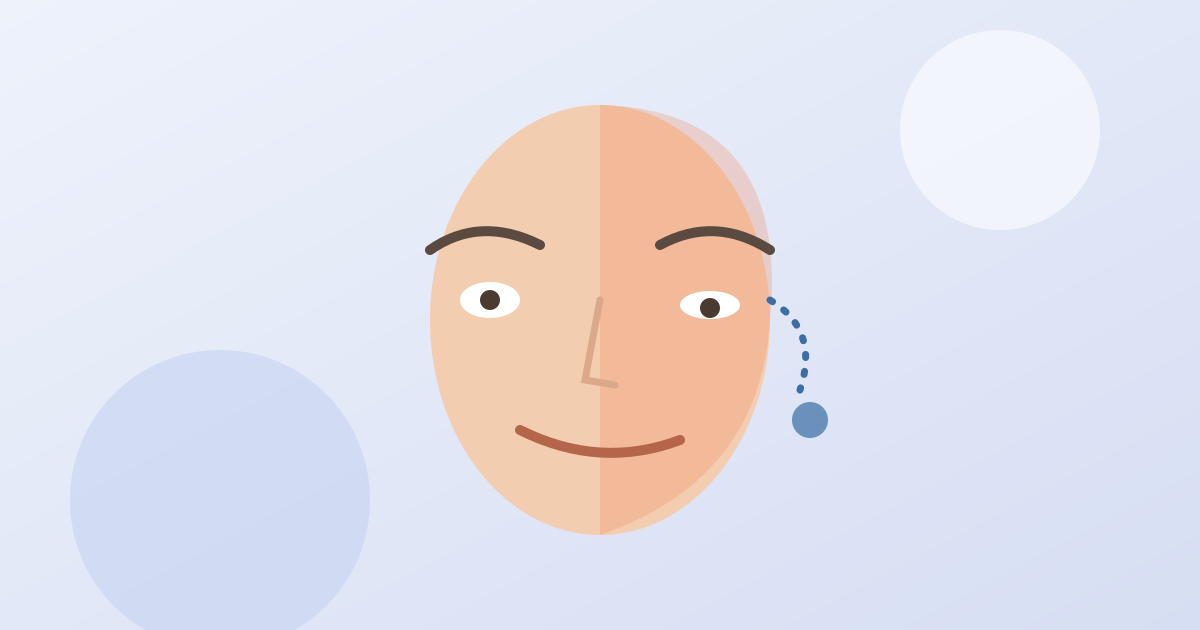
Table of contents
- 1. What Is Bell's Palsy?
- 2. Bell's Palsy vs Stroke: Reading the Clues
- 3. Possible Causes and Risk Factors
- 4. What a Clinician May Do
- 5. The Five Eye-Protection Steps
- 6. Graph: Illustrative Recovery Over Time
- 7. Sample Six-Month Recovery Timeline
- 8. Red Flags: When to Call 911 or Seek Urgent Care
- 9. Where to Get Care: Elmhurst, Chinatown and Lower Manhattan
- 10. Contact Us
- Conclusion
- Frequently Asked Questions
- See a Doctor in Elmhurst or Chinatown
Waking up with one side of your face drooping, a crooked smile or an eye that will not close is frightening. Many people think immediately of a stroke, and that fear is reasonable. One common cause is Bell's palsy, a sudden weakness or paralysis of the facial nerve that usually improves over weeks to months. But because a stroke can look similar at first, new facial weakness should always be treated as urgent until a clinician says otherwise.
This guide explains how to read the clues that separate Bell's palsy from a stroke, five steps to protect the eye, how treatment timing matters, and a sample six-month recovery timeline. It also lists the red flags that need immediate emergency care. City Prime Care serves patients in Elmhurst, Queens and Lower Manhattan. This article is general education and not a substitute for personal medical advice.
Quick takeaways:
- Sudden facial weakness with arm weakness, speech trouble, confusion or vision loss is a possible stroke: call 911 immediately.
- Bell's palsy usually affects the whole half of the face, including the forehead, and the person often cannot wrinkle the forehead on that side.
- Most people improve within weeks and many recover fully within about six months; steroid medicine started early (ideally within 72 hours) can help.
- Protecting the eye from drying is one of the most important steps at home.
1. What Is Bell's Palsy?
Bell's palsy is a sudden weakness of the facial nerve, which controls the muscles that let you smile, blink, frown and close your eye. It is thought to be linked to inflammation and swelling of the nerve, often after a viral infection. It can affect people of any age but is more common in adults, during pregnancy and in people with diabetes. Reliable patient references include the NINDS Bell's palsy page and the Mayo Clinic overview.
Symptoms usually come on over hours to a couple of days and can include a drooping face, drooling, a dry or watery eye, changes in taste, sound that seems louder on one side, and pain behind the ear. Weakness is typically on one side only.
2. Bell's Palsy vs Stroke: Reading the Clues
Telling the two apart quickly matters, because a stroke needs emergency treatment within hours. This table is a general guide; only a clinician can make the diagnosis, and any doubt means calling 911.
| Feature | Bell's palsy | Stroke |
|---|---|---|
| Forehead movement | Cannot wrinkle forehead on the weak side | Forehead often still moves |
| Arm or leg weakness | Not present | Often present on the same side |
| Speech | Usually clear, though slurred by lip weakness | May be garbled, confused or hard to find words |
| Vision, balance, severe headache | Not typical | May occur suddenly |
| Eye on the weak side | Cannot close fully | Can usually still close |
| Urgency | Prompt same-day evaluation | Call 911 immediately |
Our guide to recognizing a stroke in time explains the BE-FAST signs in detail. If you are unsure, do not wait to see whether your face improves.
3. Possible Causes and Risk Factors
Doctors consider several possible triggers and risk factors:
- Viral infections, including herpes simplex (the cold sore virus) and the shingles virus.
- Diabetes, which makes nerve inflammation more likely.
- Pregnancy, especially in the third trimester and just after delivery.
- Upper respiratory infections and other recent illness.
- Less often, Lyme disease, ear infections, head injury or tumors, which is why a proper exam matters.
Some of these links are covered in other City Prime Care guides, including cold sores, shingles and Lyme disease after a tick bite. A blistering rash in or around the ear with facial weakness may point to a shingles-related cause and needs prompt care.
4. What a Clinician May Do
A typical evaluation includes:
- A check of your face, eyes, ears and mouth, plus a nervous system exam to look for signs of stroke.
- Questions about onset, other symptoms, recent infections, tick exposure and diabetes.
- A blood pressure and blood sugar check; blood tests or imaging when the picture is unclear or other causes are possible.
- Prescription steroid medicine, usually started within three days, and sometimes an antiviral when appropriate.
- Eye care instructions, and referral to a neurologist, ENT or eye specialist if recovery is slow or the eye is at risk.
5. The Five Eye-Protection Steps
When the eyelid will not close fully, the eye can dry out and become injured. Commonly advised steps are:
- Use preservative-free artificial tears every few hours during the day to keep the eye moist.
- Apply a lubricating eye ointment at bedtime, as directed by your clinician or eye doctor.
- Tape the eyelid gently closed or use a protective eye patch at night if advised, taking care not to scratch the eye.
- Wear sunglasses or protective glasses outdoors to guard against wind, dust and bright light.
- Seek urgent eye care for redness, pain, discharge or blurred vision, which may signal injury or infection.
6. Graph: Illustrative Recovery Over Time
This is a teaching graph, not patient data. It shows how facial movement commonly returns over several months.
| Time | Facial weakness (illustrative) | Recovery of movement (illustrative) |
|---|---|---|
| Week 1 | ██████████ | █ |
| Week 3 | ████████ | ███ |
| Month 2 | ██████ | █████ |
| Month 3 | ████ | ███████ |
| Month 6 | █ | █████████ |
7. Sample Six-Month Recovery Timeline
| Time | Goal | Sample activities | Check |
|---|---|---|---|
| Days 1-3 | Get evaluated and start treatment | Same-day exam, steroid medicine if prescribed, eye protection | Has stroke been ruled out? |
| Weeks 1-3 | Protect the eye, support the nerve | Artificial tears, night ointment, rest, blood sugar control | Can the eye close more each week? |
| Weeks 3-8 | Gentle facial care | Warm compresses, gentle massage, mirror exercises as advised | Is movement slowly returning? |
| Months 3-6 | Follow up | Specialist review if weakness persists, facial therapy if suggested | Any new twitching or muscle tightness? Report it |
8. Red Flags: When to Call 911 or Seek Urgent Care
Call 911 or go to the emergency room for:
- Face droop with arm or leg weakness, numbness, confusion or trouble speaking.
- Sudden severe headache, vision loss, dizziness or loss of balance.
- Facial weakness after a head injury.
- Face droop that comes on over minutes with other neurological symptoms.
- Eye pain, redness or reduced vision on the weak side, which needs urgent eye care.
For guidance on specialist referrals after an initial evaluation, read when your primary care doctor sends you to a specialist. If your facial weakness comes with ringing or hearing changes, our guide on ringing in the ears may also help.
9. Where to Get Care: Elmhurst, Chinatown and Lower Manhattan
After any emergency is excluded, people with new facial weakness often search for urgent care Elmhurst NY, a walk in clinic Elmhurst NY, or urgent care 11373, or book a same day doctor appointment Elmhurst. For follow-up and blood sugar monitoring, many choose a primary care doctor Elmhurst NY or a family doctor Elmhurst Queens, and for ongoing conditions like diabetes, chronic disease management Elmhurst NY. Downtown, patients look for primary care Lower Manhattan, primary care Chinatown NYC, a doctor near Catherine Street NYC, primary care 75 Catherine St, or a walk-in clinic Chinatown NYC.
| Area | Common searches | How care can help |
|---|---|---|
| Elmhurst (ZIP 11373) | Urgent care 11373, same day doctor appointment Elmhurst | Fast exam, steroid decision and eye-care advice |
| Elmhurst, Queens | Family doctor Elmhurst Queens, primary care doctor Elmhurst NY | Follow-up, diabetes review, specialist referral |
| Lower Manhattan | Primary care Lower Manhattan, preventive care Lower Manhattan | Ongoing monitoring and prevention planning |
| Chinatown / Catherine Street | Primary care Chinatown NYC, doctor near Catherine Street NYC, primary care 75 Catherine St | Convenient downtown care |
| Citywide | Primary care doctor NYC, family doctor Manhattan NYC, same day primary care NYC | Same-day or scheduled evaluation |
Use a primary care doctor near me search, a physical exam clinic Elmhurst NY visit, preventive care Elmhurst NY, or an annual physical exam NYC to review blood pressure, blood sugar and stroke risk factors. You can also find the clinic on Google.
10. Contact Us
Noticed new weakness on one side of your face and want it checked? Visit our Contact Us page or see our Google listing. If you also have arm weakness, trouble speaking or confusion, call 911 right away.
Conclusion
Bell's palsy is alarming but often temporary, and most people recover well. The key is to rule out stroke first, start treatment early when it is appropriate and protect the eye while the nerve heals.
Frequently Asked Questions
See a Doctor in Elmhurst or Chinatown
Have a question about your own health? Book a visit at our Elmhurst, Queens clinic or our Chinatown, Manhattan clinic, or explore our primary care services.
Related articles
Healthcare
Why Is Your Shoulder So Stiff That You Cannot Reach Behind Your Back, and Could It Be Frozen Shoulder? Reading the Three Stages, the Five Mobility Steps and the Sample Twelve-Week Stretching Plan
A shoulder that slowly locks up, hurts at night and resists every movement may be frozen shoulder (adhesive capsulitis). Learn the three stages, five mobility steps, red flags and a 12-week plan.
Healthcare
Why Do Pimples Keep Breaking Out Along Your Jaw and Chin as an Adult, and Is It Hormonal Acne? Reading the Breakout Types, the Five Skin-Care Steps and the Sample Twelve-Week Routine
Adult acne along the jaw and chin can be driven by hormones, stress, skin products and more. Learn the breakout types, five skin-care steps, when to see a doctor and a 12-week routine.
Healthcare
Why Is the Skin Between Your Toes Peeling and Itchy, and Why Is Your Toenail Turning Thick and Yellow? Reading the Fungal Infection Signs, the Five Foot-Care Steps and the Sample Treatment Timeline
Itchy, peeling skin between the toes and thick, yellow nails are usually fungal infections. Learn the signs, five foot-care steps, when diabetes makes it urgent and a realistic treatment timeline.





